


- Taxon
- Weed
- Gallery
Habitat: bank, clay, coast, dry, grassland, gully, hill, lava, lowland, margin, open, pasture, roadside, sand, shaded, sheltered, shrubland, slope, stone, track, wasteland
Dispersal: Seed, vegetative

Recognition
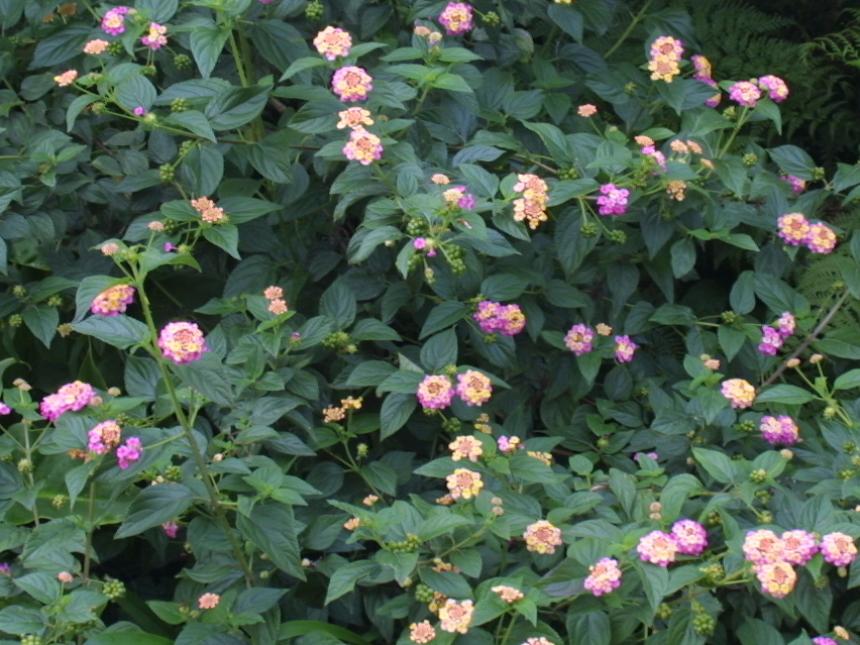
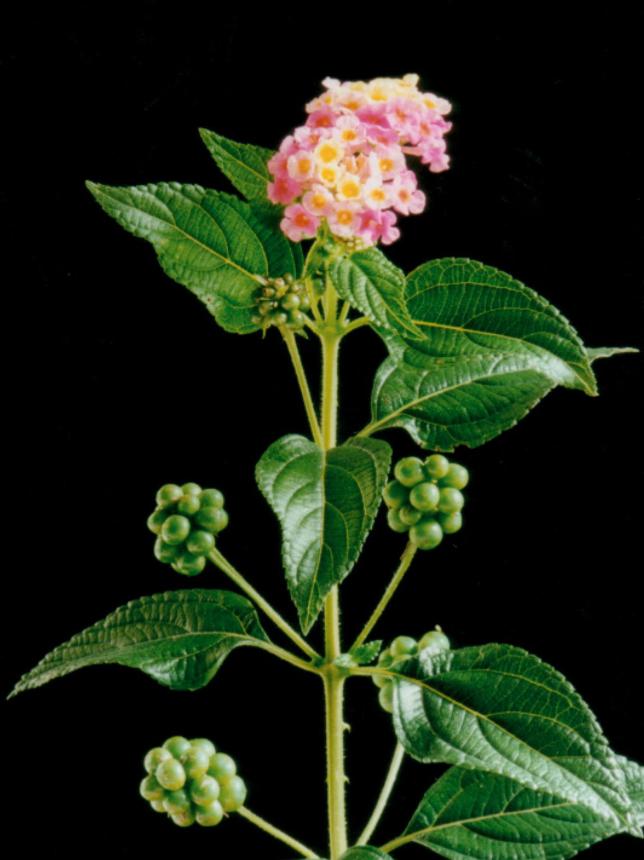
- a rough-textured and usually prickly shrub with oppositely arranged leaves.
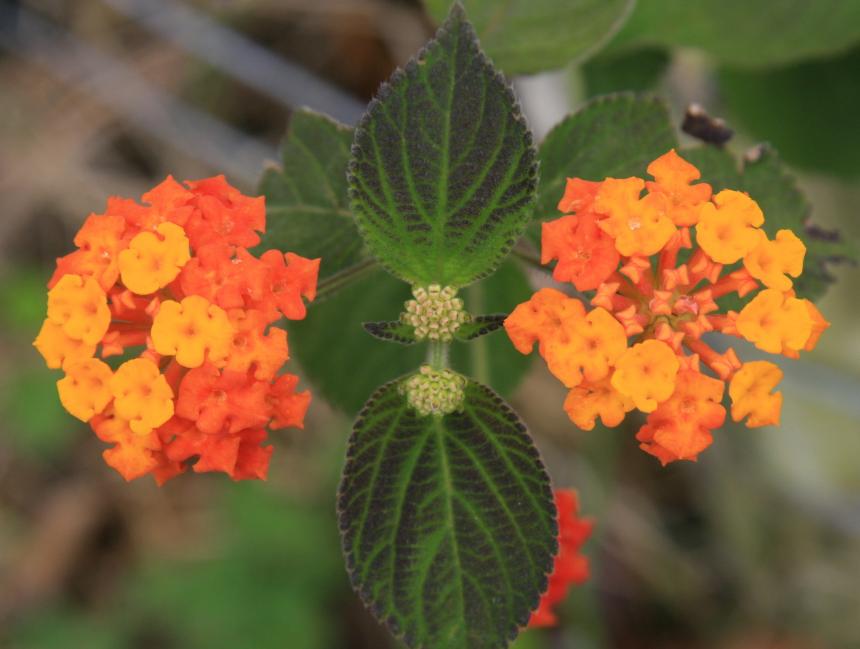
- its dense flower clusters consist of numerous small tubular flowers (9-14 mm long and 4-10 mm across).
- these flower clusters are borne on stalks originating in the leaf forks.
- the flowers can be a wide variety of colours (i.e. white, yellow, orange, red, pink or multi-coloured).
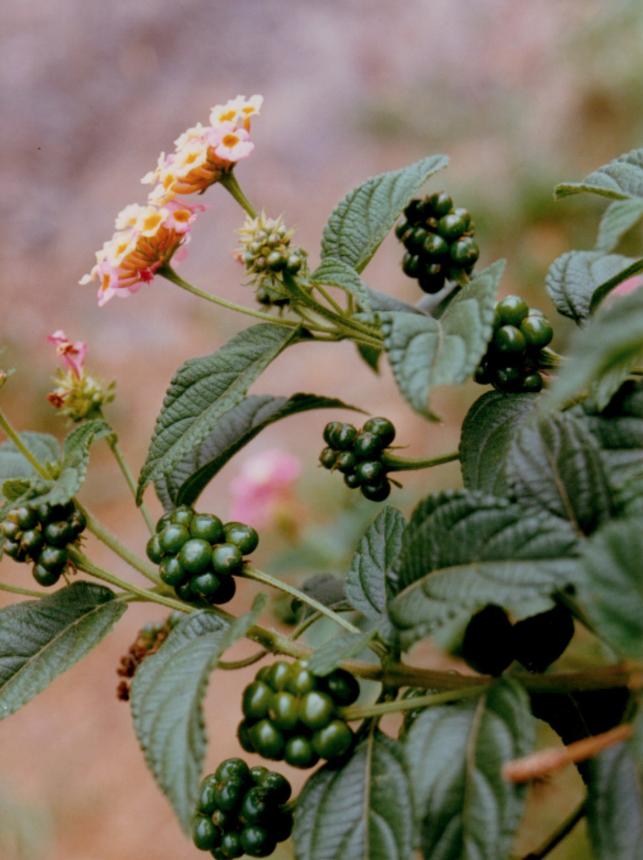
- its mature fruit (5-8 mm across) are glossy in appearance and black, purplish-black or bluish-black in colour.
[From: Environmental Weeds of Australia]
References
Biosecurity New Zealand 2012: Regional Pest Management Strategies Database. http://www.biosecurityperformance.maf.govt.nz/
Biosecurity New Zealand 2008: National Plant Pest Accord. MAF Biosecurity New Zealand, Wellington.
Connor, H.E. 1977: The Poisonous Plants in New Zealand. Edition 2. Government Printer, Wellington.
Connor, H.E.; Fountain, J. 2009: Plants that Poison: A New Zealand Guide. Manaaki Whenua Press, Lincoln.
Howell, C. 2008: Consolidated list of environmental weeds in New Zealand. DOC Research & Development Series 292: 42.
Ministry for Primary Industries 23 Feb 2017: Unwanted Organisms Register. Version 02.01.02. https://www1.maf.govt.nz/uor
Stewart, J. 1971: Plants in New Zealand Poisonous to Man. New Zealand Department of Health, Wellington.